

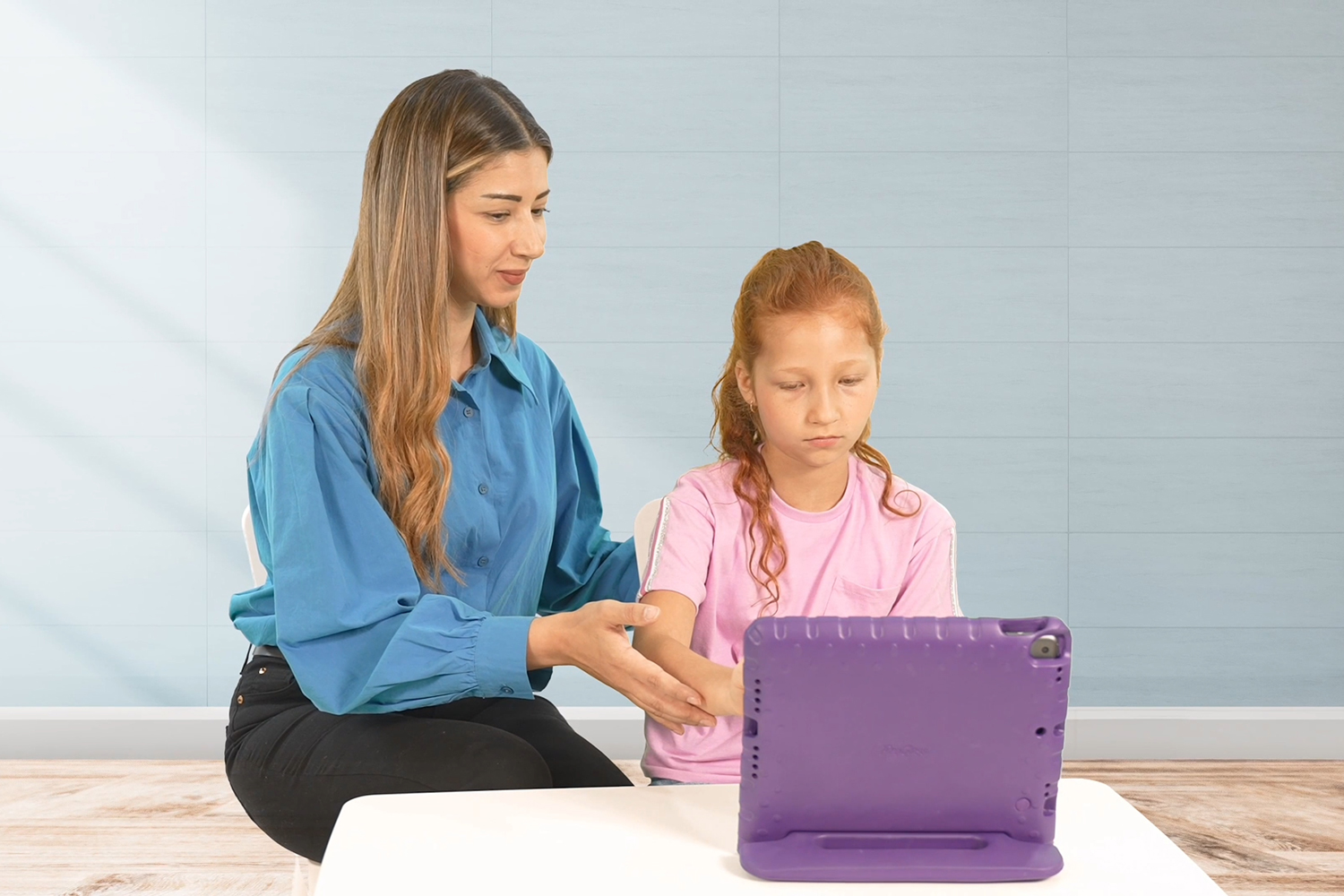

Imagine a child who struggles to express what they want. A basic need—like asking for a glass of water—can feel like climbing a mountain. Now, picture a system that breaks that mountain into small, manageable steps.
This concept lies at the heart of Applied Behavior Analysis (ABA).
ABA is an evidence-based, data-driven approach that aims to improve individual’s independence, socially significant behaviors, and overall quality of life in children with autism, ADHD, Down syndrome, and other developmental challenges.
Consistent ABA Therapy Can Be Life-Changing
What happens when ABA is applied consistently? A child who once struggled to make eye contact learns to share a smile. Another, who found it hard to follow simple instructions, starts completing tasks on their own. These are real milestones, touching nearly every aspect of a child’s development, such as:
-
Communication Skills: A child learns to use words, gestures, or pictures to express their needs.
-
Social Interaction: They begin to connect with peers, sharing toys or playing games.
-
Behavioral Management: Meltdowns decrease as they find new ways to cope with frustration.
-
Independence: Essential life skills like dressing, eating, or brushing teeth become part of their daily routine.
But here’s the catch: ABA works best when it’s intensive. Research points to a sweet spot—20 to 40 hours per week. That might sound overwhelming, but the payoff? A future where the child is well-equipped to navigate the complex world.
This is Where Enara Steps in
Think of Enara as a bridge—a way to connect the structured environment of therapy sessions with the unpredictable reality of home life. Enara doesn’t just support ABA; it supercharges it.
Imagine a parent sitting with their child after dinner, opening an app that transforms therapy into a game. Together, they practice skills learned earlier in the week. The child is engaged, the parent is empowered, and the therapy continues seamlessly.
Here’s how it works:
-
Home-Based Reinforcement: Therapy strategies become part of daily routines.
-
Gamified Learning: Skills are practiced through interactive games and activities.
-
Progress Monitoring: Real-time feedback shows what’s working and what needs adjustment.
-
Flexibility: Whether at home, in the park, or on vacation, therapy is always within reach.
Transforming Autism Therapy Through Technology
Enara is changing the way we think about neurodiverse early intervention therapy. By integrating early intervention therapies like ABA, occupational therapy, and speech therapy into customizable programs powered by AI, it has created an evidence-based and engaging learning environment. Here, therapists see better results, faster. Parents stay involved, but without feeling overwhelmed. And above all for children, it’s a chance to learn and grow in ways that feel natural and engaging.
At its core, Enara offers a glimpse into the future of therapy for children with special needs. It’s a future where technology doesn’t replace human connection but strengthens it.

